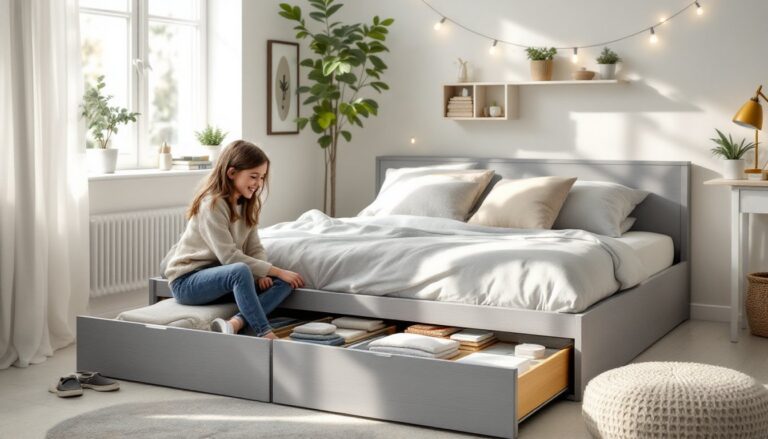
Small bedrooms demand smarter furniture choices, and a white full size bed with storage is one of the most practical upgrades you can make. Instead of choosing between a comfortable sleep surface and room to store clothes, linens, and seasonal gear, you get both. A white full bed frame with storage delivers clean aesthetics, maximizes floor space, and eliminates the need for bulky dressers or under-window plastic bins. Whether you’re furnishing a kid’s room, a guest bedroom, or your own compact master, understanding what to look for, and how these beds actually function, saves you money and prevents frustration down the road.
Table of Contents
ToggleKey Takeaways
- A white full size bed with storage solves small-space challenges by combining sleep functionality with storage compartments, eliminating the need for separate dressers and reducing clutter without consuming additional floor area.
- Under-bed drawers and platform compartments offer different access patterns: pull-out drawers work best for daily-use items like clothing, while lift-access compartments suit seasonal storage that’s accessed less frequently.
- White finishes create a neutral, visually lightweight aesthetic that adapts to any bedroom design scheme and makes small rooms feel larger by reflecting light, while solid-wood and metal construction with ball-bearing glides ensure long-term durability and smooth operation.
- Before purchasing a white full size bed with storage, measure your space carefully—including ceiling height, door clearance, and drawer pull space—and define your storage needs by cubic footage to avoid over-buying or under-utilizing drawer capacity.
- Material quality matters significantly: prioritize frames with plywood or solid-wood drawer boxes and ball-bearing glides rather than cheap particleboard or plastic rollers, and verify mattress compatibility to ensure drawers operate smoothly without obstruction.
Why Choose a White Full Size Bed With Storage
A white full size bed with storage solves a real problem: most small spaces suffer from the “more stuff than spots” dilemma. Adding vertical and horizontal storage directly into your bed frame means you’re not sacrificing floor area to accommodate a nightstand, dresser, or closet overflow. This is especially valuable in apartments, cottages, and children’s bedrooms where every square foot counts.
Space-Saving Design Benefits
Full size beds already occupy less floor space than queen or king models, typically 54 inches wide by 75 inches long, versus 60 inches by 80 for a queen. Pairing that footprint with integrated drawers, shelving, or compartments gives you storage without eating into the room’s walking space. Under-bed drawers pull out perpendicular to the frame, so they don’t protrude into the middle of the bedroom once closed. This matters more than it sounds: you avoid stubbing your toe on an open drawer or tripping over a duffel bag crammed under a traditional frame.
Children’s rooms benefit especially. A full size bed with drawers can replace both a bed and a toy chest, freeing up wall space for a study desk or play area. Guest rooms transform into dual-purpose spaces, the bed sleeps visitors, and the storage holds extra pillows, quilts, and seasonal décor that typically live in a hallway closet.
Aesthetic Appeal and Versatility
White, whether soft white, crisp white, or off-white, acts as a neutral anchor in any design scheme. It pairs with warm wood tones, cool grays, pastels, bold accent walls, or minimalist décor without clashing. Unlike a heavy walnut or oak frame that demands a specific design direction, white adapts. You can update throw pillows, bedding, or wall paint without the bed becoming an eyesore.
The visual “lightness” of white also makes small rooms feel larger. A dark wood bed can anchor a room, which is useful for a spacious master: in a tight guest bedroom, white creates breathing room and reflects light. This psychological effect isn’t luxury, it’s functional design.
Types of Storage Features to Consider
Not all bed storage is created equal. The type you choose depends on what you’re storing, how often you access it, and how much assembly and maintenance you’re willing to do. Understanding the options prevents buyer’s remorse.
Under-Bed Drawers and Compartments
Under-bed drawers are the most straightforward storage option. These pull-out compartments slide on ball-bearing glides or wooden runners and typically hold clothing, extra bedding, off-season items, or shoes. Quality matters here: cheap glides squeak, jam, or collapse under weight. When shopping, pull the drawer several times, it should move smoothly and feel sturdy when half-extended.
Capacity varies widely. A single under-bed drawer might hold 15–20 gallons of storage: multiple drawers can offer 40–60 gallons or more, depending on frame height. Standard full bed frames sit 10–14 inches off the ground: storage frames often sit 16–20 inches high to accommodate deeper drawers. That extra height matters if you have mobility concerns or share a room with someone who prefers easier bed access.
Some frames use front-facing drawers (you pull them out toward you): others use side-facing or angled designs. Front-facing is intuitive: side-facing saves space if your bed is positioned in a corner. Check measurements carefully, a frame that’s 54 inches wide needs 54 inches of unobstructed floor space when the drawer opens fully.
Another storage option is a platform bed with a slatted base and compartmented sections built into the frame itself. These compartments don’t pull out: instead, you access them by lifting the mattress or opening hinged lids. They’re ideal for seasonal storage, think extra blankets or winter clothes, but less convenient for daily access. Platforms also tend to be heavier and harder to move, so placement should be final.
Headboard and Built-In Shelving
Headboards with shelving or cubbies add vertical storage without expanding the bed’s footprint. Open shelves hold books, plants, a reading lamp, or decorative items: closed cubbies hide clutter. These work well for kids’ rooms (storing books and toys) and bedrooms where you want the bed to do double duty as a room organizer.
One caution: an open-shelf headboard collects dust and requires regular wiping. It also means items are visible, so organization matters aesthetically. If you’re storing a mix of books, framed photos, and leftover craft supplies, the headboard will advertise that mess. Closed-back designs or models with fabric-lined cubbies reduce dust and visual clutter.
Built-in shelving behind or above the headboard can also work with budget-friendly DIY projects if you’re willing to assemble and install. Many homeowners modify basic bed frames with aftermarket shelving units, combining off-the-shelf storage with existing beds. This approach saves money but requires careful measurement and sometimes additional wall anchoring for safety, shelves shouldn’t rely solely on the bed frame for support if they’ll hold significant weight.
A hybrid approach combines under-bed drawers with a modest headboard shelf unit. You get daily-access storage below and display or decorative storage above, maximizing every inch without overwhelming the room visually.
How to Select the Right White Storage Bed for Your Bedroom
Before you buy, take three specific measurements and ask yourself three specific questions.
Measure your space. Use a tape measure to find the bedroom’s length and width, then map out where the bed will sit. Account for swing clearance on doors and drawer pull-space. Don’t forget ceiling height, a tall headboard with shelving in a room with a popcorn ceiling or low doorways can feel cramped or impractical. Next, measure from the floor to the nearest window sill and to radiator pipes or baseboard heaters. Storage beds sit taller than standard frames, and clearance matters for cleaning and comfort.
Define what you’re storing. Sweaters and jeans stack differently than shoes and off-season bedding. If you’re primarily storing clothes, deep drawers are essential. If it’s seasonal décor or holiday items, accessibility matters less, and a platform with lift-access compartments might suit you. Make a rough inventory: how many cubic feet of storage do you actually need? This prevents over-buying a huge frame when a modest one suffices, and it prevents under-buying and discovering you’ve stuffed drawers to bursting.
Check assembly and mattress compatibility. Most storage beds arrive partially or fully assembled, but some require final bolting and drawer installation. If you’re uncomfortable with basic assembly, factor in delivery fees or handyman costs. Also confirm mattress dimensions, a full mattress is standard, but check the retailer’s specifications. Some storage frames are designed for a specific mattress thickness, and using a 14-inch pillow-top when the frame expects an 8-incher can make drawer operation difficult or look unbalanced.
Assess material quality. White beds are commonly made from particleboard, solid wood, or metal. Particleboard frames are affordable but less durable long-term and tougher to repair if drawers warp or joints loosen. Solid wood (oak, pine, beech) costs more but withstands decades of use: pine is lighter and cheaper than oak. Metal frames with white powder-coat or paint are lightweight and sturdy, though they can squeak if joints aren’t tight. Materials used in drawer construction matter most, look for plywood or solid-wood boxes, not flimsy particle-board or thin metal. Glides should be ball-bearing, not cheap plastic rollers that fail after a year.
Research the brand. Read reviews that specifically mention drawer durability, assembly ease, and longevity. Community-sourced platforms highlight both successes and failures, often with photos and long-term updates from owners. Look for complaints about drawer sticking, surface scratches, or paint chipping, common issues with budget frames. Mid-range options typically balance cost and durability better than the cheapest alternatives.
Consider finish and care. White surfaces show dust and stains visibly. Matte finishes hide fingerprints better than gloss, but gloss cleans more easily. If you have kids or pets, a wipeable polyurethane or lacquer top is practical. High-gloss white can also feel sterile in person, sometimes an off-white or soft white-gray hybrid feels warmer and more forgiving. Visit a showroom if possible, or order from a retailer with a solid return policy so you can confirm the shade and finish match your vision.
One final consideration: modular frames offer flexibility. Some brands sell a basic bed frame separately from drawers and headboard units, letting you build what you need now and add components later. This approach costs more upfront but adapts if your storage needs change or you move to a larger room.
Real-world projects often inspire practical solutions too. Homeowners sharing room makeover stories frequently document storage bed selection, installation mishaps, and long-term satisfaction. Learning from others’ experiences, especially what they’d do differently, saves time and money.