Whether you’re storing seasonal decorations in the attic, tools in the garage, or camping gear in the basement, moisture is the silent enemy of organization. Waterproof storage bins are one of the smartest investments a homeowner can make, they protect everything from mildew, rust, and water damage without requiring expensive shelving systems or climate-controlled rooms. This guide walks you through what makes a bin truly waterproof, where to use them strategically around your home, and how to keep them in top shape for years of reliable storage.
Table of Contents
ToggleKey Takeaways
- Waterproof storage bins protect valuable belongings from moisture, mold, and rust by creating a sealed microenvironment that outperforms open shelves or cardboard boxes, making them a smart preventive investment for homeowners.
- Heavy-duty polypropylene or polyethylene with at least 1/8-inch wall thickness and a gasket seal—not just a snap-lock lid—are the essential features that distinguish truly waterproof storage bins from cheaper alternatives that fail quickly.
- Waterproof storage bins are most effective in moisture-prone areas like basements, attics, garages, and under-sink cabinets where humidity and water damage pose the greatest risk to stored items.
- Regular maintenance including gasket cleaning, periodic moisture checks during humid seasons, and responsible stacking practices keeps waterproof bins functioning at peak performance for years of reliable storage.
- Choosing one quality waterproof storage bin is a better investment than purchasing multiple cheap options, as a $20–$50 bin typically protects $200–$500 worth of belongings from damage.
Why Waterproof Storage Bins Matter for Your Home
Moisture finds its way into attics, basements, and garages no matter how well you think you’ve sealed things up. A single humid day or a roof leak can ruin leather jackets, photographs, documents, and electronics, items that often hold both monetary and sentimental value.
Waterproof storage bins create a controlled microenvironment for your belongings. Unlike open shelves or cardboard boxes, a sealed bin keeps humidity, dust, and pests out. They’re also stackable, which means you can maximize vertical space instead of sprawling boxes across your floor. This matters because air circulation improves when you’re not creating a wall of cardboard, and it reduces the chance of mold colonies forming in dead zones.
For homeowners, the ROI is straightforward: a $20–$50 bin protects $200–$500 in goods. That’s not hype, it’s basic math. Whether you’re dealing with a damp basement or unpredictable seasonal weather, waterproof bins are preventive maintenance for your stuff.
Key Features to Look for When Choosing Waterproof Storage Bins
Not all storage bins are created equal. A plastic container labeled “waterproof” might resist a light splash but fail completely during a flood or sustained humidity. Here’s what actually matters.
Material Quality and Durability
Heavy-duty polypropylene or polyethylene plastic are the go-to materials because they don’t rust, warp under temperature swings, or degrade quickly in sunlight. Look for bins with a wall thickness of at least 1/8 inch (about 3mm), thinner plastic becomes brittle and cracks over time, especially in cold basements. If the lid and base are the same material as the sides, that’s a good sign: some cheaper bins use flimsy lids that warp within a season.
Check the manufacturer’s specifications for UV stability if the bin will see sunlight. Even in a garage, UV rays break down plastic faster than you’d expect. A product tested to resist sunlight fading will last longer and maintain its seal.
Don’t mistake clear bins for inexpensive ones. Clarity is useful for seeing contents without opening, but it shouldn’t be the deciding factor. Reinforced opaque bins with flat stacking surfaces often outperform crystal-clear models because they’re built for sturdiness, not aesthetics.
Seal and Lock Mechanism
This is where waterproof bins either shine or fail. A gasket seal, a rubber or silicone strip embedded in the lid, is the gold standard. When you close the lid, the gasket compresses against the basin, creating an air-tight seal. This stops water and humidity from entering.
Lid latches matter too. Hinged lids are convenient but less watertight than snap-down or clip-lock designs. If the bin rocks when you press the lid down, the seal is compromised. Test it in the store if possible: the lid should sit flush with zero rocking.
Some manufacturers use silicone gaskets specifically rated for long-term moisture resistance. Check the product spec sheet, gaskets rated for wet environments last longer than generic rubber. A bin that seals perfectly for six months but dries out and cracks after two years isn’t actually waterproof for storage purposes.
Best Uses for Waterproof Storage Bins Around Your Home
Basements and crawl spaces: This is the primary use case. Basements trap moisture, especially older homes with high water tables. Holiday decorations, out-of-season clothing, and archived photos all belong in waterproof bins down here. Stack them on shelving or pallets, never directly on concrete, which wicks moisture upward through capillary action.
Attics: Heat and humidity fluctuate wildly in attics, creating ideal conditions for mold. Waterproof bins protect stored clothing, blankets, and bedding. Label everything clearly because temperature swings can fog even transparent bins, making contents hard to identify.
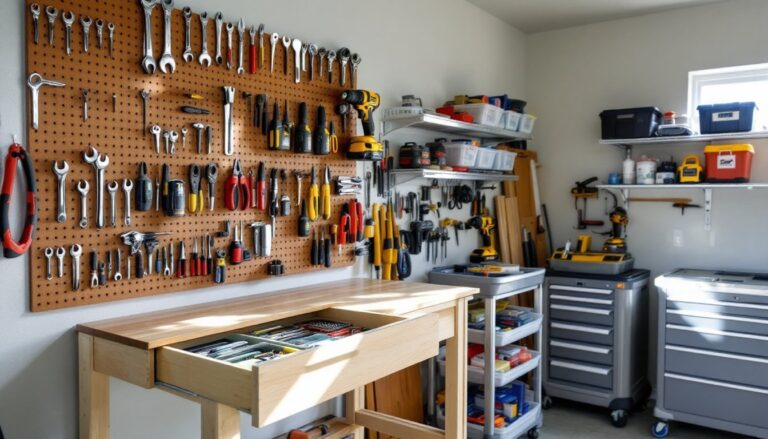
Garages: Tools, paint, and automotive supplies need protection from humidity and temperature swings. A waterproof bin keeps moisture away from metal tools and prevents rust that’s costly to repair. If you keep extra construction materials or hand tools, they’ll thank you.
Under-sink cabinets and bathrooms: Moisture accumulates under sinks from plumbing condensation. Small waterproof bins keep cleaning supplies, medicines, and backup toiletries dry and organized. This is also where organizing strategies from Real Simple often focus, emphasizing compact storage for high-moisture areas.
Outdoor sheds: If you don’t have a climate-controlled garage, a waterproof bin in a shed stores garden tools, hoses, and seasonal gear. Even a “weatherproof” shed isn’t waterproof, so bins provide the real defense.
Laundry rooms and mudrooms: Damp clothes and wet gear create an environment where regular containers fail. Waterproof bins isolate moisture and prevent mold from spreading to nearby storage.
Recommendations from Martha Stewart emphasize organizing by seasonal use and location, which pairs perfectly with waterproof bin placement. Identify moisture-prone areas in your home first, then choose bin sizes and locations that fit your workflow.
How to Maintain and Care for Your Waterproof Storage Bins
A waterproof bin loses its effectiveness if you don’t maintain it. Here’s the practical routine:
Clean before storing. Wipe down the interior with a dry cloth before adding items. Dust and moisture together create conditions for mold. If the bin was stored in a damp area, let it air-dry completely first.
Keep the gasket clean and dry. The rubber or silicone seal is the heart of waterproofing. Wipe it with a damp cloth, then dry it thoroughly before closing the lid. Over time, gaskets collect dust and debris that prevent a tight seal. A quick cleaning takes seconds and extends the bin’s life by months.
Don’t overfill. A stuffed bin stresses the lid and latch, breaking the seal. Fill it to about 80% capacity, leaving room for the lid to close without force. If you’re forcing it shut, the seal isn’t sitting properly.
Check periodically in humid seasons. Open your bins in spring and fall to verify they’re still dry inside. If you spot condensation or any sign of moisture, move the bin to a drier location or add a silica gel desiccant packet inside. These absorb residual moisture and cost a few dollars.
Inspect latches and gaskets annually. A worn latch won’t hold the lid secure. A cracked or hardened gasket won’t seal. Replacement lids and gaskets are available from most manufacturers and cost $10–$25. Replacing them is cheaper than replacing the stored contents.
Stack responsibly. Weight on top of a bin can deform the lid and break the seal. Stack no more than 3–4 bins high, and put heavier items on lower bins. If the top bin sags inward, reduce the stack height.
Home safety and organization experts at Good Housekeeping recommend regular inspections of storage areas, which applies directly to checking your bins for seal integrity and moisture intrusion.
Conclusion
Waterproof storage bins are a practical, cost-effective safeguard against one of the home’s biggest silent threats: moisture damage. By choosing bins with solid gasket seals, durable plastic, and sturdy latches, and by maintaining them with simple seasonal checks, you protect your belongings for years. Start with your dampest areas: basement, garage, or attic. One well-chosen bin is better than a dozen cheap ones that fail after a single season. Your future self, opening a bin five years from now and finding dry, protected items, will appreciate the investment.