Clutter has a way of multiplying under the radar, especially in bedrooms where square footage is at a premium. If you’re staring at a closet that’s already bursting and a bedroom floor that seems to shrink by the month, under bed storage bins might be the practical fix you’ve been overlooking. They’re simple, effective, and they cost far less than a bedroom renovation. This guide walks you through why under bed storage works, how to pick the right bins for your space, and proven strategies to keep everything organized and accessible.
Table of Contents
ToggleKey Takeaways
- Under bed storage bins transform wasted space beneath your mattress into functional storage for seasonal clothes, extra bedding, and rarely-used items without affecting your bedroom’s visual cleanliness or floor plan.
- Measure your bed’s clearance, length, and width before purchasing bins—standard bed heights are 18 inches, creating roughly 54 cubic feet of potential storage space, and leaving 1–2 inches of clearance ensures smooth access.
- Rigid plastic bins outperform fabric or cardboard alternatives in durability and moisture resistance, with clear or translucent options allowing visibility without sacrificing organization or aesthetic appeal.
- Organize items by category—one bin per category type like seasonal clothing, bedding, or decorations—and label everything clearly to prevent digging through mixed-content bins and simplify seasonal rotation.
- Keep frequently accessed items in front of the bed space and rarely-used items toward the back, then establish a maintenance schedule to wipe down bins twice yearly and confirm labels remain accurate.
Why Under Bed Storage Bins Are a Game-Changer for Small Spaces
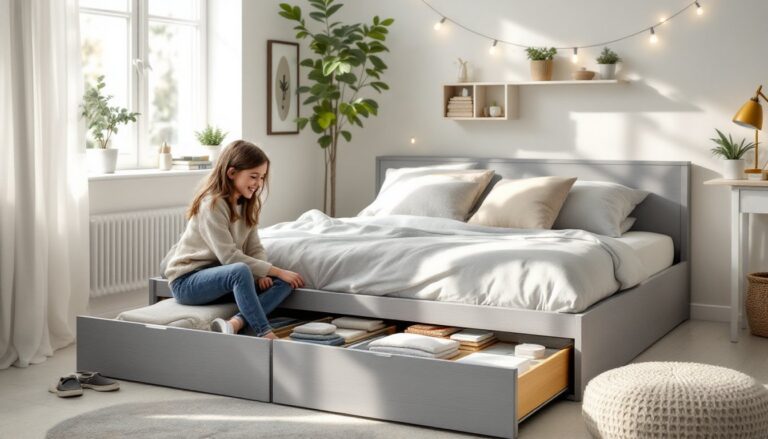
That empty void beneath your mattress and box spring is wasted real estate in most homes. Under bed storage bins transform it into functional space without eating into your floor plan, hanging shelves, or demanding wall anchors. In apartments and bedrooms where a dresser or armoire would eat up precious square footage, bins let you store seasonal clothes, extra bedding, or rarely-used items where they won’t interfere with movement or daily life.
The math is simple: a queen-size bed sits roughly 18 inches off the ground (standard bed height), creating roughly 54 cubic feet of potential storage space, enough for a surprising volume of organized items. Unlike closet shelves or corner organizers, under bed storage stays out of sight, which means your bedroom looks cleaner even when you’re still in the middle of packing things away.
Another practical bonus: accessing stored items doesn’t require climbing a ladder or asking someone to spot you. You roll out a bin, grab what you need, and slide it back. That ease of access means people actually use under bed storage instead of letting it become a black hole for stuff they forget they own.
Choosing the Right Under Bed Storage Bin for Your Needs
Picking the wrong bin size or material wastes money and creates frustration. Measure your bed’s clearance first, don’t guess. Use a ruler or tape measure to check the gap between your floor and the bottom of your bed frame or skirt. Standard bed heights are 18 inches, but some platform beds sit lower. If you have a bed skirt, subtract a couple of inches so bins slide smoothly without snagging fabric.
Next, measure the available length and width under your bed. A queen-size bed gives you roughly 60 inches of length and 55 inches of width, but corner posts, bed legs, and frames reduce usable space. Sketch a quick floor plan if you’re planning to fit multiple bins, crossing measurements now saves hassle when you’re trying to cram boxes under the bed.
Size and Depth Considerations
Bins come in standard sizes, and you’ll find 12-inch, 18-inch, and 24-inch depth options most common. For low-profile clearances (under 12 inches), flat storage containers or shallow bins are your only realistic choice. If your bed sits 16–20 inches high, you have flexibility. Measure twice: bins don’t compress, and a 24-inch-deep box won’t fit under an 18-inch bed frame.
Length matters too. Under-bed storage often comes in queen-size width options (around 55 inches) or pairs of smaller bins (around 27 inches each) so you can position them on either side of the bed. Some people prefer two narrower bins for easier access: others go for one long bin if they’re storing a single category (like winter coats).
Pro tip: Leave at least 1–2 inches of clearance on all sides so bins slide smoothly and air circulates. Cram them too tight, and you’ll fight with them every time.
Material and Durability Options
Plastic bins dominate the under-bed storage market, and for good reason. Rigid plastic containers resist moisture better than cardboard, won’t absorb odors as easily, and last for years. Brands like Rubbermaid and similar containers run anywhere from $15 to $40 per bin depending on size and features.
Fabric storage bags (canvas or polyester) are lightweight and fold flat when empty, making them good if you need occasional extra storage. They’re less durable than plastic, though, and moisture can seep through if your bedroom has humidity issues, a real concern in basements or humid climates. If you go fabric, look for options with reinforced handles and sturdy zippers.
Wood or wire options exist too, but they’re less common under beds because they’re bulkier and don’t seal out dust as effectively. Real Simple tested the top under-bed storage solutions and found that clear plastic containers consistently scored highest for visibility and durability.
Choose opaque or translucent bins depending on your preference. Translucent lets you see contents without opening, which saves time. Opaque bins hide clutter visually but require labels or a mental inventory system.
Moisture and dust are the enemies of under-bed storage. In humid climates, choose plastic with good sealing gaskets. In dry climates, dust still accumulates, so use bins with tight-fitting lids and consider placing a thin desiccant packet inside if you’re storing fabric items long-term.
How to Organize and Maximize Your Under Bed Storage
A bin full of random items defeats the purpose. Organization matters, and it starts with a category system.
Sort before you buy bins. Pull everything you think belongs under the bed and separate it into piles: off-season clothing, extra bedding, shoe storage, holiday decorations, or hobby supplies. This tells you how many bins you need and what size. Don’t buy bins and then figure out what goes in them, you’ll either over-buy or under-estimate.
Use one bin per category when possible. This prevents the “I need one small thing” scenario where you’re digging through a mixed-content bin every other week. Seasonal clothes get their own bin. Bedding gets another. Shoes (if they fit) get a third. This system also makes rotation easier, when summer arrives, you know exactly which bin to swap out.
Label everything clearly, even if bins are translucent. A small label gun or masking tape and a marker work fine. Include not just the contents (“Winter Coats”) but also the season or a date if items are time-sensitive. Someone storing holiday decorations in January might forget they’re under the bed by December.
Distribute weight evenly. If one bin is packed solid and another is half-empty, they’ll roll unevenly and wear out faster. Also, heavier items go in bins you access less frequently, store rarely-used items toward the center or one side if your bed frame allows it.
Air and moisture control matter more than people realize. If your bedroom gets damp in summer, crack a window occasionally or run a small fan to reduce humidity under the bed. Never store damp items, and avoid sealing bins if you suspect trapped moisture. A thin layer of cedar blocks or a sachet of lavender keeps items smelling fresh and deters moths if you’re storing fabric.
For small space living tips and apartment-friendly storage ideas, small-footprint storage systems are worth exploring. Many apartment dwellers combine under-bed storage with over-the-door racks and closet dividers to triple their usable space without major furniture investments.
If you’re handy and want a semi-custom solution, IKEA under-bed storage hacks show how to modify or stack components like IVAR or RISÖR units to fit tight spaces. A drill and a couple of brackets transform flat-pack components into semi-permanent storage solutions.
Access frequency is key. Keep items you grab seasonally (winter bedding, guest pillows) in front. Bury items you store and forget (holiday decorations, archived paperwork) toward the back. This saves you from repeatedly moving bins just to reach something you actually use.
Finally, establish a rotation schedule. Every season (or twice yearly), spend 15 minutes pulling bins out, wiping them down with a dry cloth to remove dust, and confirming labels are still accurate. This quick maintenance prevents surprises like finding forgotten items or discovering a bin has cracked.
Conclusion
Under bed storage bins are one of the simplest, most cost-effective ways to reclaim bedroom space and reduce clutter. Measure your clearance, pick durable containers in appropriate sizes, and organize items by category, that’s the core formula. The time you spend measuring and sorting upfront saves hours of frustration later. Your bedroom will look cleaner, you’ll know where things are, and you’ll wonder how you ever managed without that hidden storage.