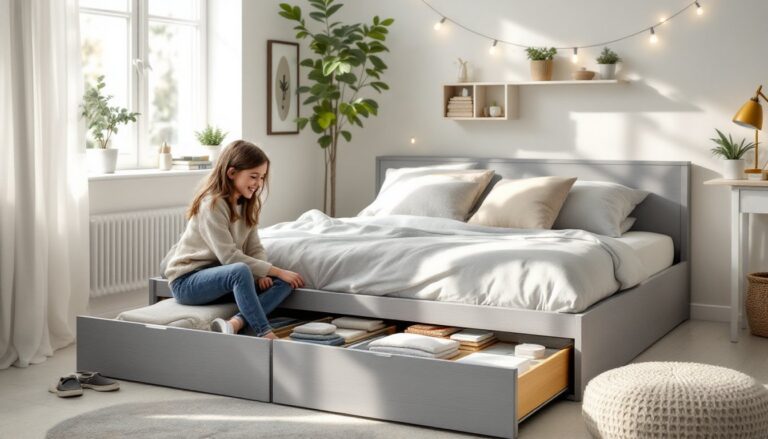
A twin platform bed with storage solves one of the most persistent bedroom challenges: fitting a quality bed and keeping clutter contained in a modest footprint. Whether you’re furnishing a kid’s room, a guest bedroom, or a studio apartment, this hybrid piece eliminates the need for a separate dresser or nightstand while keeping your floor plan open and functional. The appeal isn’t just practical, a well-chosen storage platform becomes a focal point that pulls the whole room together. In 2026, the design options range from sleek minimalist frames to cozy upholstered headboards with hidden compartments, and the assembly methods range from simple bolt-together kits to custom builds. This guide walks you through why storage platforms matter, what types exist, how to pick the right one for your space, and how to assemble and organize them like a pro.
Table of Contents
ToggleKey Takeaways
- A twin platform bed with storage eliminates wasted floor space by transforming the area beneath the mattress into functional compartments, making it ideal for small bedrooms, guest rooms, and studio apartments.
- Choose between drawer-style storage (hidden and dust-free) and open shelving (flexible and decorative) depending on your aesthetic preferences and maintenance tolerance.
- Before purchasing, measure your room’s floor space, ceiling height, and doorway dimensions to ensure the platform bed fits properly and drawers open without obstruction.
- Proper assembly on a level floor with correct hardware placement and tightened fasteners is critical—rushing installation leads to wobbling frames and stuck drawers within months.
- Organize storage using labeled bins, drawer dividers, and seasonal rotation to maximize functionality and keep frequently used items easily accessible.
Why Choose a Twin Platform Bed With Storage
A traditional bed frame takes up floor space and leaves the area beneath it dead weight. A platform bed with storage flips that logic, it transforms wasted real estate into functional compartments. For small bedrooms, guest rooms, or kids’ spaces, this efficiency is a game-changer.
Platform beds also sit lower to the floor than box spring setups, which makes rooms feel more spacious and modern. They’re gentler on joints when climbing in and out, and they pair seamlessly with minimalist or contemporary décor. The mattress sits directly on a sturdy support surface (slats or a solid base), so you skip the box spring entirely, saving money and clearance.
Storage integration means less clutter visible on shelves or nightstands. Clothes, linens, seasonal items, or toys tuck away beneath the mattress, keeping the bedroom calm and organized. For shared rooms or tight quarters, that’s worth its weight in lumber. Plus, a quality storage bed often lasts longer than a traditional frame because the structure is typically heavier-duty and less prone to wobbly joints.
Types of Twin Platform Beds With Storage
Storage platform beds come in two main flavors: drawer-style and open shelving. Each suits different needs and aesthetics.
Drawer-Style Storage Beds
Drawer-style beds hide storage entirely beneath the mattress. Typically, you get two or four drawers running the length of the frame, accessed from the foot or sides. The advantages are obvious: no visual clutter, everything tucked away, and dust-free storage compared to open shelves.
Drawer mechanisms matter. Ball-bearing slides (the smooth metal tracks) cost more but glide effortlessly and handle repeated opening. Budget models use plastic slides that can stick or crack after a couple of years. If you plan to open drawers daily, the upgrade is worth it.
Drawer-style beds suit kids’ rooms, bedrooms with limited closet space, and anyone who prefers a clean sight line. The trade-off: you can’t quickly scan what’s inside without pulling the drawer out. Some manufacturers include drawer dividers to keep socks, folded shirts, or seasonal gear organized, which saves time.
Open Shelving and Display Platforms
Open shelving platforms feature cubbies, shelves, or nooks built into the frame’s footboard or sides. These let you display books, plants, photo frames, or decorative items while still keeping bulkier storage out of sight. A few storage cubes paired with a platform base gives you flexibility, swap bins when decor changes.
Open shelving works beautifully in rooms with a cohesive design scheme (books and plants blend easily: random stuff looks chaotic). They’re easier to customize than drawer beds because you can rearrange what goes where without tools. The downside: dust accumulates on open surfaces, so expect to wipe down regularly. If you have allergies or simply dislike maintenance, drawer storage makes more sense.
Many homeowners pair budget IKEA platform designs with drawer hacks or build hybrid setups, drawers underneath and a small open shelf for a bedside lamp. The flexibility is one of the format’s big wins.
How to Choose the Right Storage Platform Bed for Your Space
Before shopping, measure your room and consider three variables: floor space, ceiling height, and traffic flow.
Floor measurements matter because a twin mattress (38″ × 75″) is standard, but the bed frame itself often adds 2–4 inches on each side depending on the design. In a 10′ × 12′ room, you have breathing room: in a 9′ × 10′ guest room, tight clearance means you’ll feel cramped if you don’t account for those inches.
Ceiling height affects headboard and drawer design. If your room has a low ceiling, a tall tufted headboard can make the space feel claustrophobic. A low-profile platform (under 12 inches high) keeps things airy. Conversely, high ceilings benefit from a more substantial headboard and a taller bed, which breaks up visual emptiness.
Think about how you’ll access the drawers. Side-opening drawers need 18–24 inches of clearance on at least one side. Foot-access drawers work better in tight layouts but require you to kneel to pull them, less convenient for daily use. Measure the bedroom door too: the bed frame has to fit through it during delivery.
Material choice depends on your aesthetic and budget. Solid wood (oak, pine, maple) looks warm and lasts decades but costs more upfront. Engineered wood (plywood with veneer) is affordable and lightweight but less durable. Metal frames suit industrial or modern décor and are durable, though they can feel cold to the touch. Match the finish to your existing furniture so the bed feels intentional, not like a leftover.
Checking weight capacity is non-negotiable. A quality twin platform bed should support 400–800 pounds, depending on the frame. If two kids jump on the bed (they will), or if the mattress is memory foam (heavier than standard innerspring), you need a robust support structure. The product spec sheet should state this clearly, if it doesn’t, ask the retailer.
DIY Installation and Assembly Tips
Most platform beds arrive as a flat-pack or partial assembly, rails, slats, and hardware in separate boxes. Setting one up isn’t complicated, but rushing creates problems.
Start with a clean, level floor. Uneven floors cause drawers to misalign and frames to wobble. If your bedroom slopes slightly (common in older homes), test with a bubble level and shim under the bed feet using plastic shims or rubber wedges to stabilize it.
Lay out all parts before assembling. Match hardware to the assembly manual, different screw sizes go in different joints, and mixing them up weakens connections. Use a Phillips-head screwdriver or power drill (cordless drills speed this up significantly). Hand-tightening is tempting but leaves fasteners loose: snug each bolt firmly, then do a final pass after 24 hours because wood settles slightly.
When installing drawer slides, measure from both ends to ensure they’re parallel. Misaligned slides create friction that wears them out fast. Some manufacturers include alignment jigs: use them. If not, a tape measure and a level work fine.
For bolt-together frames, you’ll likely need a wrench or Allen key (included with most kits). Tighten bolts in a cross pattern, imagine an X, so pressure distributes evenly. This prevents the frame from racking (twisting out of square).
If your bed uses slats instead of a solid base, space them according to the manual, usually 2–3 inches apart. Too far apart and the mattress sags: too close and airflow suffers. Metal slats are more rigid than wood and reduce creaking.
The handyman community has excellent step-by-step furniture assembly guides that cover common assembly mistakes. Two pairs of hands make the job faster and safer, especially when flipping large panels or tightening hardware on the frame’s underside.
Maximizing Storage and Organization
Having drawers doesn’t guarantee organized drawers. A little planning prevents the chaotic “throw everything in and slam it shut” approach.
Use drawer dividers or storage bins to create zones within each drawer. Socks go in one section, underwear in another, seasonal clothing in a third. Fabric bins work well because they’re breathable, won’t scratch finished wood, and make sliding items in and out smooth. Avoid cardboard dividers in humid climates, they’ll warp.
Label bins or dividers so family members know where things belong. Especially in kids’ rooms, labels turn organization into a game rather than a chore. A label maker or waterproof tape costs a few dollars and saves headaches.
For open shelving, group items by category: books on one shelf, plants on another, small storage baskets for accessories. This visual cohesion makes the bedroom feel intentional. Baskets also hide clutter while keeping items accessible.
Rotate seasonal items regularly. Winter coats don’t belong in bedroom drawers during summer: store them elsewhere or in vacuum bags to save space. This keeps frequently used items (everyday clothes, extra bedding) easily reachable.
Don’t pack drawers so tightly that opening them requires yanking. Overstuffed drawers jam, damage slides, and stress fasteners. A good rule: if you can’t slide a drawer out smoothly with one hand, it’s too full. You can also store items like shoes, off-season gear, or extra pillows in flat storage containers under the bed, if the platform’s height allows it.
For drawer-style beds, vacuum-seal bags are your friend for storing comforters, pillows, or winter blankets. A standard twin drawer measures roughly 30″ × 15″ × 12″, so a vacuum-compressed bag takes up a third of that space.
Consider moisture control, especially in damp climates or if storing textiles long-term. A small packet of silica gel or bamboo charcoal absorbs excess humidity and keeps items fresh. Replace packets every 3–6 months.
Final Thoughts
A twin platform bed with storage strikes the balance between function and design that most bedrooms desperately need. Whether you go with hidden drawers, open shelving, or a hybrid approach, the key is matching the design to your space, assembling it correctly, and keeping the storage organized from day one.
Take time with measurement and assembly, corners cut there show up as wobbly frames or stuck drawers within months. When done right, a storage platform bed becomes the hardworking centerpiece of a well-designed bedroom that looks intentional and feels spacious. That’s worth the upfront effort.