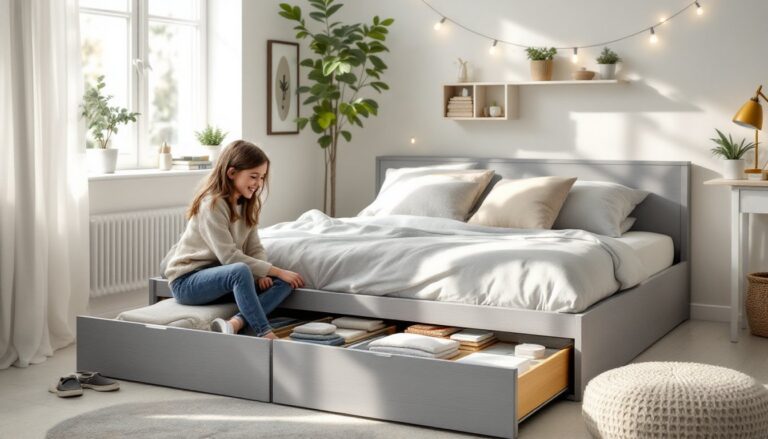
A storage upholstered bed is a practical investment for anyone working with limited bedroom space, or anyone who just wants smarter furniture. Unlike a traditional platform bed, a storage upholstered bed combines a padded headboard and frame with built-in drawers, shelving, or under-bed compartments that hide clutter while adding visual interest to your room. Whether you’re furnishing a small apartment, a guest bedroom, or a master suite, these beds deliver both function and style. They’ve become increasingly popular in 2026 because they solve a real problem: where do you actually put everything? We’ll walk you through what makes them work, how to pick the right one, and how to keep it looking sharp for years.
Table of Contents
ToggleKey Takeaways
- A storage upholstered bed combines padded upholstery with built-in drawers and compartments, solving space problems while serving as a design anchor in any bedroom style.
- Storage options range from under-bed drawers and lift-top platforms to footboard benches and headboard shelving, with typical queen models holding 60–80 pounds and 20–30 cubic feet of storage capacity.
- Choose upholstery fabrics based on lifestyle: linen for aesthetics, polyester blends for durability with kids and pets, and genuine leather for easy maintenance, with 2026 trends favoring warm neutrals and deeper moodier tones.
- Measure your bedroom carefully before purchasing, ensuring at least 120 square feet of clear space for a queen bed and adequate clearance for comfort and functionality.
- Assembly requires two people and basic tools; ongoing maintenance includes monthly vacuuming, quarterly slide cleaning, semi-annual bolt checks, and immediate spill treatment to keep your storage upholstered bed looking sharp for years.
What Is A Storage Upholstered Bed?
A storage upholstered bed merges bedroom storage with a cushioned frame. The mattress sits on a base, usually wooden slats or a box spring platform, and the frame itself (often made from solid wood or engineered wood) is wrapped in upholstered fabric or leather. The storage component varies: some models feature drawers built into the sides or foot of the bed frame, while others incorporate shelving, a lift-top platform, or even a storage bench at the footboard.
What sets these apart from a standard upholstered bed is the intentional integration of storage into the design. You’re not just getting a pretty headboard: you’re getting drawers that slide out smoothly, compartments that hold seasonal bedding, or platforms that open to reveal deep storage underneath. The upholstery, typically linen, polyester blends, or microsuede, covers the wooden frame and gives the bed a finished, almost furniture-like appearance rather than a purely utilitarian look.
These beds come in all standard mattress sizes: twin, full, queen, and king. They work well in bedrooms where floor space is precious, since the storage eliminates the need for extra dressers or nightstands in some cases. The upholstered finish also makes them more bedroom-design friendly than metal frames, so they blend in whether your style leans modern, mid-century, transitional, or even farmhouse.
Key Benefits of Choosing An Upholstered Storage Bed
The main payoff is obvious: you gain storage without sacrificing floor space. In a bedroom that’s already tight, every square foot counts. Under-bed drawers or lift-top mechanisms keep off-season clothes, extra pillows, board games, and bedding tucked away and out of sight. That’s real money saved if it means you can skip buying a dresser or storage ottoman.
Beyond pure function, an upholstered storage bed acts as a design anchor. Unlike a metal frame or a basic wooden platform, the cushioned fabric softens the visual weight of the bed, usually the largest piece of furniture in the room. This makes the overall bedroom feel more finished and intentional. You can choose fabrics that complement your walls, bedding, or other accents, so the bed becomes part of your décor strategy, not just a place to sleep.
They’re also easier to move than traditional dressers or storage benches, and they’re simpler to keep clean than open shelving because the storage compartments stay closed. This matters if you share a bedroom with kids, pets, or someone who prefers a tidy look. The drawers hide dust and clutter naturally. Finally, for renters or anyone who moves frequently, a good storage upholstered bed is a portable investment, far more flexible than built-in closets or furniture you’d have to leave behind.
Design Styles and Fabric Options to Match Your Décor
Storage upholstered beds come in as many styles as regular upholstered beds. If you want a contemporary look, hunt for beds with clean lines, minimal button tufting, and neutral fabrics like charcoal gray, white, or soft beige. Mid-century modern fans will find options with angled legs, low-profile frames, and warm tones like caramel or sage green. For a more traditional or transitional bedroom, look for beds with nailhead trim, rolled arms, or subtle diamond quilting, these add detail without feeling trendy.
Fabric choice matters both aesthetically and practically. Linen offers a relaxed, textured look and ages beautifully, but it wrinkles and stains more easily. Polyester blends and microfiber fabrics are more stain-resistant and budget-friendly, making them smart for households with kids or pets. Genuine leather and faux leather are durable and easy to wipe down, though they can feel cold and may crack over time if not conditioned regularly. Cotton blends strike a good middle ground, breathable, soft, and reasonably durable.
Color trends in 2026 lean toward warm neutrals (oatmeal, greige, warm gray) and deeper, moodier tones (charcoal, navy, forest green). The bonus: a neutral upholstered bed works with almost any bedding or accent color, so you can refresh your room’s mood with different pillows and throws without replacing the bed. If you’re drawn to a bolder color, choose a smaller accent like a storage bench rather than the entire frame, you’ll get that pop of personality without commitment fatigue.
Storage Features and Functionality to Consider
Storage comes in several flavors, and your choice depends on what you need to store and how often you access it. Underbed drawers are the most common: typically two to four large drawers that roll out on metal ball-bearing slides. They’re ideal for bedding, seasonal clothes, or items you don’t grab weekly. Look for drawers with smooth gliding mechanics: cheap slides jam and make the whole experience frustrating.
Some beds feature a lift-top platform: the entire mattress base lifts hydraulically to reveal a cavernous storage cavity underneath. These hold a lot, think suitcases, winter coats, or off-season décor, but accessing them requires lifting the mattress each time, so they’re best for items you stash and forget. Make sure the hydraulic pistons are rated for safe lifting and that there’s a safety stop to prevent the platform from slamming down.
Storage benches at the footboard provide open or enclosed seating-height storage, perfect for throw blankets, books, or decorative baskets. Shelving built into the headboard offers quick access to nighttime essentials, though it’s more design statement than hidden storage. Some premium models combine these: drawers along the sides plus a shelf section in the headboard for a layered storage approach.
When evaluating storage capacity, measure your actual needs. A queen bed with two standard underbed drawers holds roughly 60–80 pounds total and about 20–30 cubic feet of space. That’s enough for several comforter sets or seasonal clothing, but it won’t hold an entire wardrobe. Check weight limits on drawer slides: overloading them causes damage. Also, measure the clearance under your bed, if it’s 8 inches or less, standard drawers won’t fit, so you’ll need a low-profile or alternative storage style.
How to Choose the Right Size and Style for Your Bedroom
Start with honest measurements. Measure your bedroom’s length and width, then account for nightstands, doors, and walkways. A queen bed (typically 60 inches wide and 80 inches long) needs at least 120 square feet of clear space to feel comfortable: smaller rooms might suit a full (54 inches wide). Don’t just measure the bed itself, measure the clearance you want on each side. If you can only fit 18 inches of space between the bed and the wall, getting in and out feels cramped, and making the bed is a pain.
Consider traffic flow and what else is in the room. If the bedroom is also a home office or has a window seat, you’re working with limited real estate, a bed with drawers saves you from needing a separate dresser. If the room is mainly a bedroom with a closet, you might prioritize style over storage and pick a bed with minimal under-frame compartments.
Think about who sleeps there. A guest bedroom benefits from a storage bed because you hide extra linens and guest supplies inside, keeping the room looking neat when it’s not occupied. A master bedroom might pair a storage bed with a small dresser if you need more than one person’s wardrobe space. Kids’ rooms? Drawers are gold, they teach kids to put clothes and toys away, and you avoid a separate toy chest taking up floor space.
Finally, pick upholstery color and fabric after you’ve finalized wall color and flooring. Bring paint chips and flooring samples to the furniture store, or order fabric swatches online. Design Milk features contemporary bedroom inspiration that can help you envision the finished look, and Houzz’s design galleries let you filter by room type and style to see real bedrooms in action.
Installation, Maintenance, and Care Tips
Most storage upholstered beds arrive flat-packed and require assembly. You’ll need a screwdriver (Phillips head, usually), an Allen wrench set, a drill for pilot holes if the frame uses screw-in legs, and at least two people to safely flip and position the frame. Bed frames are heavy, a queen upholstered storage bed typically weighs 150–250 pounds before the mattress. Take your time following the manufacturer’s instructions. Misaligned drawer tracks or loose frame bolts cause squeaking and damage down the road.
Before assembly, vacuum and clean the spot where the bed will sit. Dust accumulates under beds fast, and it’s far easier to clean before the frame is in place. Once assembled, place the base slats or box spring on the frame (check the manufacturer’s specs, some beds require a box spring, others don’t). Then place your mattress.
For ongoing care, vacuum the upholstery monthly with an upholstery attachment to remove dust and pet hair. Blot spills immediately with a white cloth and cool water: don’t rub. For stubborn stains on fabric, a solution of 1 part white vinegar to 3 parts water works for most soil. Test it on an inconspicuous spot first. Leather upholstery needs annual conditioning with leather cream to prevent cracking: follow the product’s instructions and test on the frame bottom first.
Keep drawers running smoothly by wiping the metal slides quarterly with a lint-free cloth. Don’t overload them, a typical slide supports 75–100 pounds per drawer. Apartment Therapy’s small space tips include organizing storage drawers with dividers and labels, which keeps items from shifting during sleep and makes finding things fast. Check the frame for loose bolts every six months: tighten as needed with the Allen wrench. Squeaks usually mean something’s not tight.
Conclusion
A storage upholstered bed is a smart way to reclaim bedroom space and add a polished design touch at the same time. You get function, style, and flexibility, whether you choose underbed drawers, a lift-top platform, or a combination approach. Measure your room, pick a fabric and color that fits your décor, and invest in a quality frame with smooth hardware and sturdy construction. With straightforward assembly and simple maintenance, a good storage upholstered bed will serve your bedroom well for years.