Clutter has a way of creeping into every corner of a home, but it doesn’t have to claim the space beneath your bed. Sterilite under bed storage containers have become a go-to solution for homeowners and renters alike, offering an affordable, practical way to maximize otherwise wasted square footage. Whether you’re storing seasonal clothing, extra bedding, or rarely-used kitchen gadgets, the right under bed storage system can transform those unused inches into organized, accessible space. This guide walks through why Sterilite containers work so well, how to pick the right ones for your needs, and proven strategies to keep everything organized long-term.
Table of Contents
ToggleKey Takeaways
- Sterilite under bed storage maximizes wasted bedroom space without requiring installation, making it ideal for renters and homeowners looking to declutter affordably.
- Sterilite containers use durable polypropylene plastic that resists moisture and warping, with reinforced hinges and snug lids designed to protect seasonal items and textiles long-term.
- Accurate measurements of bed height, length, and width are essential before purchasing—containers that are even 2 inches too tall will jam or require awkward sideways sliding.
- Label containers clearly with contents and seasons, organize items by single purpose, and roll clothes instead of folding to maximize space and reduce wrinkles in under bed storage.
- Place protective barriers like plastic sheets under containers and rotate stock every 3 to 6 months to prevent mold, mildew, and moisture damage in humid environments.
- Aim to keep containers no more than 80% full and maintain good airflow to ensure proper sealing, easy access, and long-term protection of stored items.
Why Under Bed Storage Works for Every Home
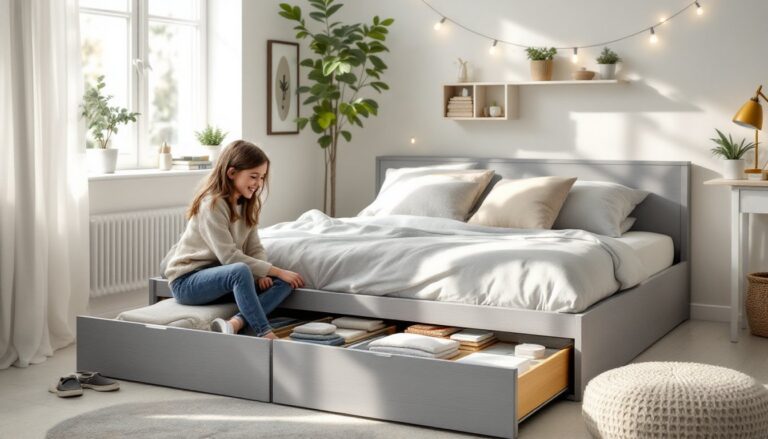
Under bed storage fills one of the easiest-to-overlook spaces in any bedroom. Most beds sit 8 to 12 inches above the floor, leaving a gap that either collects dust or sits empty. Using that gap for storage doesn’t require renovation, wall anchors, or any permanent changes, just roll a container in and you’re done.
This storage solution works for apartments, condos, and houses alike. Renters appreciate that it requires zero modifications: homeowners value the simplicity of retrofitting storage without cutting into walls or drilling shelves. Since there’s no installation involved, even someone with zero DIY experience can set up under bed storage in minutes.
The real advantage is accessibility. Unlike attics or basements where you might not visit for months, under bed storage sits at eye level when you kneel down or lie on your stomach, making it surprisingly easy to pull items out, swap seasonals, or grab what you need without climbing a ladder or rummaging through a crowded closet.
What Makes Sterilite Containers Stand Out
Sterilite has dominated the plastic storage market for decades, and for good reason. Their containers balance durability, affordability, and realistic design tailored to under bed use.
Durability and Material Quality
Sterilite containers are made from polypropylene plastic, which resists cracking and warping better than thinner or cheaper alternatives. The material is also moisture-resistant, important since humidity can accumulate under beds, especially in basements or humid climates. Lids sit snugly enough to keep dust and odors contained without being so tight that you need two hands to pry them open every time.
The hinges and clips are reinforced, so they hold up to repeated opening and closing without snapping or loosening after a few months of use. This reliability matters when you’re storing valuable items like heirloom textiles, documents, or electronics.
Size and Configuration Options
Sterilite makes containers in a range of dimensions. Standard under bed widths typically run 17 to 21 inches (the height of a rolling bed base), while lengths range from 32 to 42 inches depending on your bed frame and floor space. Depth varies from 5 to 8 inches, the sweet spot for sliding under most beds without tilting or jamming.
Many Sterilite models come in clear plastic, which lets you see contents at a glance without opening the lid. This feature alone saves time when you’re hunting for something specific. Others offer translucent sides with solid lids, a compromise between visibility and discretion. You can also buy them individually or in stacking sets if you need multiple containers for a single bed.
How to Choose the Right Sterilite Container for Your Space
Before buying, measure your under bed clearance precisely. Measure height from the floor to the lowest point of your bed frame, that’s your hard limit for container depth. Don’t assume standard sizes fit: bed legs, platform styles, and mattress thickness all vary. A container that’s even 2 inches too tall will jam or require sliding sideways, which gets old fast.
Next, measure the length and width of available floor space. Account for how much space you need for airflow and to avoid blocking outlets or vents. If your bedroom runs cool and you’re not storing anything heat-sensitive, you can pack containers more tightly.
Consider what you’re storing. Heavy items like books or winter coats need a sturdy container with a reinforced lid and solid handles. Lightweight items like linens can go in lighter models. If you’re storing anything fragile, ornaments, dishes, glassware, choose containers with dividers or plan to use internal padding like bubble wrap or packing paper.
According to cleaning experts who test storage solutions, the best under-bed storage containers balance ease of access with protection from dust and moisture. Sterilite models consistently rank high because they deliver all three without premium pricing.
Organizing and Maximizing Your Under Bed Storage
Once you’ve selected your containers, the next step is filling them logically. Use a single-purpose approach: dedicate one container to winter sweaters, another to off-season holiday décor, a third to extra pillows and throws. This method saves time when you’re looking for something specific and prevents you from opening multiple containers.
Label everything clearly. Use a label maker or a permanent marker on painter’s tape, both are easily removable and replaceable as contents change. Include not just what’s inside, but a season or date if you rotate items. “Winter coats, Jan-Mar” is way more useful than just “coats.”
Organize vertically within containers when possible. Roll clothes instead of folding them to save space and reduce wrinkles. Stack books spine-out so spines face forward: use dividers or small boxes to keep stacks from toppling. For linens, fold in thirds lengthwise so they stand upright, you’ll use less space and see all colors at once.
Keep a quick-access zone: one container or corner that holds items you grab seasonally (boots and rain gear in spring, sandals in summer). This prevents you from having to excavate the entire under bed setup multiple times a year.
Home improvement guides often recommend airtight containers for long-term storage, and while Sterilite’s standard lids aren’t fully airtight, they seal well enough for clothes and textiles. If you’re storing anything moisture-sensitive, add silica gel packets inside the container to absorb excess humidity.
Pro Tips for Long-Term Storage Success
Protect your flooring and the container bottoms from moisture. Mold and mildew thrive in darkness and dampness, so place a thin plastic sheet or even old newspaper under each container before sliding it into place. This simple step prevents water damage if humidity spikes or minor leaks occur.
Rotate stock regularly. Pull containers out every 3 to 6 months, wipe them down, and inspect contents. This breaks up any odor buildup and catches problems like mold growth before they spread. It’s also your chance to cull items you’ve genuinely stopped using.
Don’t overstuff. It’s tempting to maximize every inch, but containers that are too heavy become impossible to slide in and out, and overfilled lids may not seal properly. Aim for 80% full at most.
If your bedroom tends toward the humid side, crack a window weekly or run a small dehumidifier for an hour. Storage success is as much about air quality as it is about organization. Professional organizers who test storage systems have found that under-bed containers perform best in homes where humidity is monitored and seasonal items are rotated out regularly.
Consider the traffic pattern in your room. If guests or service workers will be around, make sure containers don’t create a tripping hazard or stick out far enough to interfere with bed mobility. Keep frequently accessed containers toward the foot or side of the bed where you can reach them without moving heavy or rarely used items first.