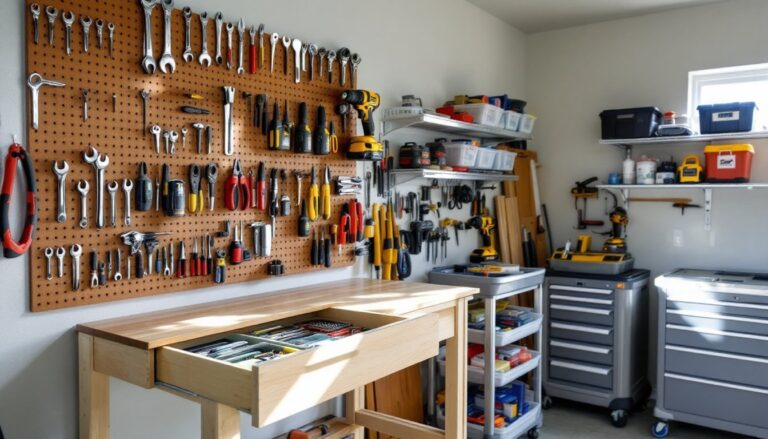
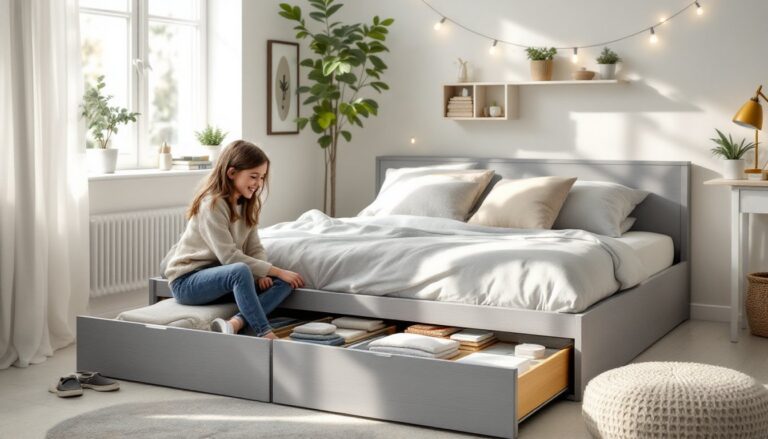
Every homeowner knows the struggle: seasonal decorations taking over the attic, craft supplies scattered across shelves, and a garage that’s become an oversized storage unit by default. Stackable wood storage bins solve this problem quietly and efficiently. Unlike plastic alternatives or permanently mounted shelving, wooden stackable storage bins offer flexibility, durability, and a natural aesthetic that fits any room. Whether you’re organizing a mudroom, closet, or workshop, these bins help you reclaim your space without breaking the budget or looking industrial.
Table of Contents
ToggleKey Takeaways
- Stackable wood storage bins solve home organization challenges by stacking vertically to maximize space and offering a natural aesthetic that works in any room without an industrial appearance.
- Wood construction provides practical advantages over plastic—better moisture management, improved durability, and a timeless look that develops character rather than deteriorates over time.
- Standard bins in widths of 12 to 20 inches can safely hold 25 to 30 pounds when sized properly, and interlocking designs allow safe stacking up to four high without additional support.
- Labeling and categorizing items by type prevents confusion and makes retrieving stored items faster, turning stackable wood storage bins into an effective organizational system.
- DIY customization using basic woodworking tools and pocket hole joinery allows homeowners to build custom bins tailored to their exact space and aesthetic preferences.
- Start with one small stack of bins and expand gradually—most users find that stackable wood storage bins pay for themselves by reclaiming usable living space within months of installation.
Why Stackable Wood Storage Bins Are a Game-Changer for Home Organization
Stackable wood storage bins work because they address three core problems most homeowners face: they’re modular, they look intentional, and they save floor space. Unlike freestanding shelves that eat up square footage, bins stack vertically, letting you use wall space more effectively. A single wall unit can store two to three times the volume of a flat storage chest.
The wood construction itself matters. Solid pine or plywood bins breathe better than plastic, reducing moisture buildup in enclosed spaces, a real concern in basements or damp closets. They also age well: wood storage bins develop character over time rather than cracking and fading like their plastic counterparts. Most importantly, wooden stackable storage bins don’t feel like industrial organization: they look like intentional furniture, so you can use them in living spaces without apologizing.
Cost-wise, wooden bins sit in the middle ground. They cost more than flimsy plastic crates but less than built-in cabinetry or custom shelving systems. For renters or anyone who moves frequently, they’re a practical investment because they move with you and don’t require installation or wall anchors.
Choosing the Right Stackable Wood Bins for Your Space
Sizing and Capacity Considerations
Standard wooden stackable storage bins come in widths from 12 to 20 inches and depths from 12 to 18 inches. A 16-by-14-by-12-inch bin (width by depth by height) holds roughly 25 to 30 pounds safely without deforming the bottom. Larger bins stack better and waste less floor space, but they’re harder to move and reposition once full.
Count what needs storing and group items by category: winter coats, holiday decor, board games, craft supplies. Each category gets a dedicated bin or pair of bins. This prevents the “bin graveyard” problem where boxes pile up and nobody remembers what’s inside. Labels matter, whether you use a label maker, a paint pen, or a chalk label holder, labeling cuts frustration in half when you’re hunting for something later.
How to Arrange and Stack Your Bins for Maximum Efficiency
Best Practices for Stacking and Stability
Bins stack safely when they’re designed with lip edges or grooves that lock them together. If your bins don’t have interlocking features, don’t stack more than three or four high without additional support. The weight of upper bins can slowly compress lower ones, especially if the wood isn’t thick enough (3/4-inch plywood minimum is industry standard for stackable designs).
Check stability before filling. Push gently on each stack from the side: it shouldn’t sway. If bins are in a high-traffic area, like a mudroom or shared closet, secure the top bin to the wall with a single L-bracket on each side. This is especially important if you have children or pets. Keep the contents balanced: don’t load one side of a bin more heavily than the other, as this throws off the center of gravity and stresses the wood unevenly.
DIY Tips for Customizing Your Wood Storage Bins
If store-bought bins don’t fit your space or aesthetic, building your own is feasible for anyone comfortable with basic woodworking. You’ll need a saw (a circular saw works, but a miter saw gives cleaner cuts), a nail gun or wood screws, sandpaper, and paint or stain. Most simple bin designs use 1-by-12 or 1-by-14 lumber (which is actually 3/4-by-11.25 inches in nominal dimensions, always check actual measurements before cutting).
Start with a simple box: four sides, a bottom panel, and a handle. Dado joints (a groove cut into one board to receive the edge of another) make stronger corners than butt joints, but they require a table saw or router. If you’re new to woodworking, pocket hole joinery using a Kreg Jig creates solid joints without visible fasteners and requires only a drill.
For customization, add dividers inside bins to keep smaller items from shifting, drill ventilation holes in the bottom for moisture control, or add felt pads to the bottom to protect floors and reduce sliding. Paint or stain after assembly. Water-based polyurethane is forgiving and low-VOC (volatile organic compound): oil-based polyurethane is more durable but requires better ventilation and longer drying time.
Resources like Popular Mechanics and Family Handyman offer step-by-step guides if you want detailed plans. Sites like Instructables have community-contributed designs where you can see variations and ask questions from makers who’ve built similar projects. Safety first: wear goggles when cutting and sanding, use a dust mask for hardwoods, and ensure good ventilation if applying finishes.
Conclusion
Stackable wood storage bins deliver real value: they organize chaos, stack efficiently, age well, and fit the aesthetic of most homes without looking like a storage facility. Whether you buy them pre-made or build your own, they’re a practical investment that makes finding things easier and keeps your living space intentional. Start small, one stack of two or three bins, and add more as you see how they work in your space. Most people find themselves buying or building more bins within a few months because they actually use them.