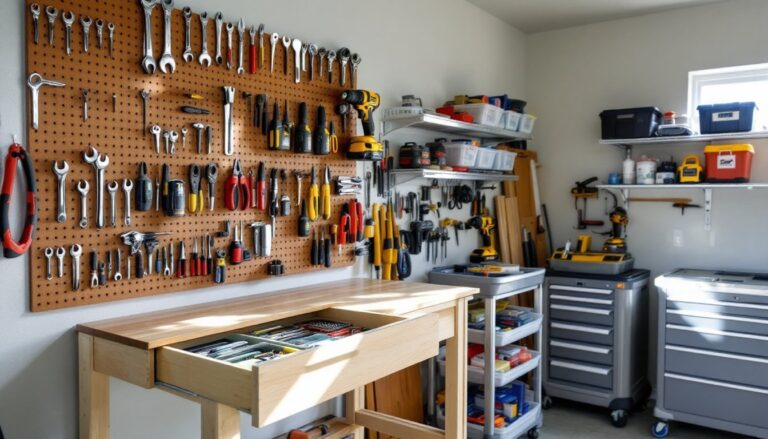
Clutter has a way of taking over any space, attic, basement, garage, or bedroom closet. Instead of buying another shelving unit or clearing everything out, homeowners and DIY enthusiasts are turning to industrial storage bins as the backbone of their organization strategy. These rugged containers aren’t just for warehouses anymore: they’ve become a practical, stylish solution for home storage across every room. Whether you’re storing seasonal gear, craft supplies, or everyday items, industrial storage bins offer durability, accessibility, and a no-nonsense aesthetic that fits modern homes. This guide walks you through everything you need to know to pick, install, and maintain the right bins for your space.
Table of Contents
ToggleKey Takeaways
- Industrial storage bins outlast cheaper plastic alternatives by decades, delivering lower cost-per-use and reliability for organizing homes without warping or buckling under heavy loads.
- Metal bins excel in garages and workshops for durability and rust resistance, while plastic industrial bins offer affordability and versatility for kitchens and living spaces where aesthetics matter.
- Choose the right size—small (12–16 gal), medium (27–35 gal), or large (45–55 gal)—by measuring your space first, and consider handle style and transparency based on access frequency and content visibility needs.
- Consistent labeling with a label maker and grouping bins by category rather than color creates an organized, intentional look that reduces visual clutter and decision fatigue.
- Place heavier industrial storage bins on lower shelves, confirm shelving capacity can handle the load, and prep surfaces by wiping away dust and moisture to prevent rust or degradation.
- Seal, organize, and inventory contents before storing, then clean bins quarterly with mild soap to maintain appearance and prevent grime or dust buildup on handles and lids.
Why Industrial Storage Bins Are the Smart Choice for Home Organization
Industrial storage bins differ from consumer plastic totes in one critical way: they’re built to handle repeated, heavy use. Standard consumer bins flex, crack, and fade after a few years of basement temperature swings or garage heat. Industrial-grade bins, by contrast, maintain structural integrity through decades of loading, unloading, and temperature fluctuation.
Cost-per-use tells the real story. A cheap plastic bin might cost $8 but last three years: an industrial bin at $40–80 might last 20+ years. That’s roughly $4 per year versus $2.67 per year, and the industrial option doesn’t warp, doesn’t get brittle, and holds heavier loads without risk of collapse.
Industrial bins also stack securely. Load-bearing capacity is tested and documented, not hoped for. If you’re stacking storage 6 feet high in a garage, you need to know the bottom tier won’t buckle. Homeowners using heavy-duty industrial bins for garage storage report that the real payoff isn’t just organization, it’s reclaiming usable floor space and peace of mind that contents won’t spill or get crushed.
One more advantage: accessibility. Industrial bins are designed for warehouse picking systems, which means handles, label spots, and open tops are positioned for human ergonomics, not cute Instagram photos. You can grab what you need quickly and safely.
Types of Industrial Storage Bins and Their Best Uses
Metal Bins for Maximum Durability
Steel or powder-coated metal bins are the heavyweight champions of storage. 16-gauge steel (the lower the gauge, the thicker the metal) delivers impact resistance and won’t dent from dropped tools or rough handling. Metal bins excel in garages, workshops, and outdoor storage areas because they resist rust (when powder-coated), don’t absorb odors, and can handle temperature extremes.
Downside: they’re heavier and more expensive, $60–150 per bin depending on size. A standard 24-inch by 36-inch by 20-inch metal bin easily weighs 15–25 pounds empty. They’re not the choice if you’re lifting bins in and out frequently.
Best uses: power tools, automotive supplies, seasonal decorations, anything with moisture or temperature sensitivity. Metal bins also look intentionally industrial, which fits garage and basement aesthetics without apology.
Plastic Industrial Bins for Versatility and Affordability
High-density polyethylene (HDPE) or polypropylene (PP) industrial bins cost less ($20–60) and weigh 3–8 pounds empty. They’re ideal for kitchens, laundry rooms, kids’ playrooms, and living spaces where aesthetics matter alongside function. Plastic bins won’t rust, won’t show water rings, and come in neutral colors (black, gray, white, sometimes translucent).
The trade-off: plastic won’t last as long under direct UV exposure (fading occurs in 2–5 years in full sun), and load capacity is lower, typically 100–150 pounds per bin versus 300+ for metal. But for most residential uses, plastic handles the job fine.
Best uses: textiles, toys, pantry overflow, hobby supplies, anything you want to access monthly rather than annually. Many homeowners layer plastic bins on shelving for quick visual identification and easy rotation.
How to Choose the Right Size and Style for Your Space
Size matters more than it sounds. Standard industrial bins come in three categories:
Small (12–16 gallons): roughly 12″ × 8″ × 10″, perfect for office supplies, first-aid kits, or small hobby items. They fit on shelves, under desks, and in closets without taking up a wall.
Medium (27–35 gallons): roughly 24″ × 16″ × 12″, the workhorse size for most homes. Fits neatly on standard garage shelving and holds seasonal decorations, kids’ clothes, or tools.
Large (45–55 gallons): roughly 36″ × 24″ × 16″, for bulk storage. Use one per season or per category (winter gear, sports equipment, holiday décor). Full weight can exceed 100 pounds when loaded, so placement matters.
Measure your space first. Note ceiling height, available floor footprint, and shelf depths. Industrial bins nest when empty (saving prep-season space), but they don’t compress once loaded. A 24-inch-deep bin won’t fit if your shelf is only 20 inches deep.
Handle style affects accessibility. Top-handle bins work best in frequently accessed areas. Handles on the sides help with shelved bins where you need to slide them in and out. No-handle stackables save vertical space in tight areas but require two hands to move.
Transparency is personal. Clear or translucent bins let you see contents without opening them, useful for seasonal rotation or guest linens. Opaque bins look cleaner, hide dust, and protect UV-sensitive items (old photos, memorabilia).
Styling Industrial Bins Into Your Home Décor
The industrial aesthetic has moved out of factories and into farmhouse, modern, and minimalist interiors. Gray, black, or gunmetal bins work alongside white shelving, wood accents, and exposed brick. If color matters, some manufacturers offer forest green, deep blue, or cream, less trendy than shiny whites, more intentional.
Label everything, consistently. Black vinyl labels on gray bins look polished. A label maker ($15–30) is worth the investment: handwritten labels fade and look temporary. Label the side of the bin, not the front, easier to read when they’re stacked or deep on a shelf.
Grouping bins by category, not color, keeps the visual noise down. Stack three identical bins labeled “Winter Coats,” “Winter Boots,” “Scarves” instead of a rainbow of mismatched sizes. The uniformity itself reads as intentional and organized.
Nesting or back-spacing empty bins behind occupied ones reduces visual clutter and dust accumulation. If your garage has open shelving, this matters for both aesthetics and maintenance. Industrial storage shelves built with pipe or angle-iron look intentional paired with matching bins.
One psychological win: visible organization reduces decision fatigue. When guests see neat, labeled bins instead of piled boxes, the room feels bigger and calmer. That’s not styling, that’s the power of good containment.
Installation Tips and Maintenance Best Practices
Before stacking bins or placing them on shelves, confirm the structure can handle the load. Standard wood garage shelving rates 150–250 pounds per shelf, depending on span and bracket quality. A fully loaded large plastic bin (40–50 pounds) plus two medium bins (25–35 pounds each) approaches those limits fast. If stacking four bins high, weigh or estimate contents and do the math.
Prep surfaces. Dust, debris, or moisture under bins creates moisture pockets (in plastic) or rust spots (in metal). Wipe down shelf surfaces with a dry cloth before placing bins. For basement storage, consider a vapor barrier or shelf liner if you’re in a high-humidity area.
Stack smart. Place heavier bins on lower shelves and lighter bins higher, this is stable and ergonomic. Most industrial bins are designed to stack vertically (rims support weight), not horizontally. Check the manufacturer’s stack-height limit: exceeding it voids durability claims.
Protect metal bins from moisture. Even powder-coated steel bins can rust if water pools inside or if you’re storing corrosive materials (salt, fertilizer, chemical cleaners). Line metal bins with kraft paper or thin plastic sheeting if storing anything damp or chemically active. Ensure drainage holes (if present) aren’t blocked.
Seal and label before storing. Don’t just toss items in and close the lid: organize each bin’s contents as if you’ll retrieve them in six months (you probably will). Use dividers for small parts, roll clothing instead of folding to save space, and keep a written inventory on the bin’s label or in your phone.
Clean periodically. Dust accumulates on lids and handles. A damp cloth and mild soap once a quarter keeps bins looking new and prevents grime buildup. For plastic, avoid abrasive cleaners that dull the finish. For metal, a dry cloth after cleaning prevents water spotting.