A mudroom is more than a functional afterthought, it’s the first line of defense against clutter invading your home. Whether you call it an entryway, vestibule, or drop zone, this transitional space absorbs coats, shoes, bags, keys, and the daily chaos of family life. Without proper mudroom storage, that mess spreads into your living areas. Homeowners and renters alike are discovering that a well-organized mudroom saves time, reduces stress, and protects flooring from dirt and moisture. The good news: creating an organized entryway mudroom storage system doesn’t require a full renovation. With smart furniture choices, strategic DIY solutions, and thoughtful design, you can turn an overlooked corner into a hardworking hub that keeps everything in its place.
Table of Contents
ToggleKey Takeaways
- Entryway mudroom storage prevents clutter from spreading into living areas by containing moisture, dirt, and daily items at the entry point before they damage your home.
- Measure your space carefully and assess what items need storage before purchasing furniture—consider wall height, floor area, obstacles, and your household’s actual habits rather than ideal ones.
- Wall-mounted systems like pegboards, slat walls, and metal rail systems offer flexible, renter-friendly solutions, while DIY floating shelves and pallet storage provide budget-friendly alternatives for under $200.
- Effective mudroom organization zones storage by person or category, uses labeled bins and baskets to contain clutter, and installs hooks at varied heights to accommodate different users and seasonal gear.
- A well-designed mudroom with proper storage saves time and mental energy by keeping shoes, coats, keys, and bags in one designated location rather than scattered throughout your home.
- Protect your mudroom investment with durable finishes like water-resistant polyurethane on wood flooring and shelving to guard against tracked moisture and spills common in entryway spaces.
Why Mudroom Storage Matters for Your Home
A mudroom without storage is just a hallway with a mess. When entry clutter has nowhere to land, jackets drape over stair railings, shoes pile by the door, and backpacks sprawl across the floor. Over time, that wet dirt tracked inside damages hardwood and carpet, requiring expensive restoration.
Proper mudroom storage solves three real problems. First, it contains moisture and soil at the entry point before they migrate deeper into the home. Second, it keeps daily-use items, keys, mail, bags, shoes, within arm’s reach instead of scattered across three rooms. Third, it establishes a visual boundary: when everything has a designated spot, visitors and family members know the expectations.
Beyond logistics, an organized mudroom saves mental energy. You’re not hunting for your kid’s soccer cleats before practice or patting down pockets searching for your keys. That small psychological win, walking into a calm, ordered space, matters more than most people realize, especially after a long day.
Assess Your Space and Needs
Before buying a single hook or shelf, measure and plan. Start by identifying what actually needs to live in your mudroom. Are you storing five pairs of shoes or fifty? Do you need room for winter coats, sports gear, pet supplies, or a stroller? List everything that currently clutters your entry.
Next, measure the wall space. Note the floor area, wall height, ceiling height, and any obstacles: electrical outlets, light switches, doors, windows, or radiators. Write down the dimensions in a small notebook, nominal lumber and shelf depths matter when you’re DIYing. A standard 2×10 board is actually 9.25 inches deep: a floating shelf rated for 50 pounds won’t work if you’re loading it with boots and coats.
Consider traffic flow too. If your mudroom is a tight hallway, vertical storage (wall-mounted hooks, shelves, cubbies) makes sense. If you have floor space, a bench with under-seat storage or lockers might fit. Be honest about your household’s habits: do people naturally hang coats, or will they pile them on a bench? Design for how people actually live, not how you wish they would.
Smart Storage Furniture for Mudrooms
Wall-Mounted Organization Systems
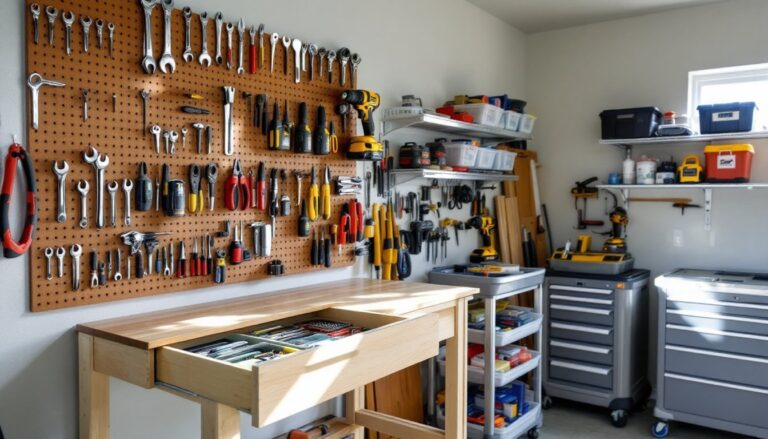
Wall-mounted systems are ideal for renters and small spaces. Pegboards, slat walls, and modular hook systems let you customize storage without permanent installation. High-quality pegboard withstands moisture better than cheap versions: look for hardboard rated for 30–50-pound weight capacity per hook.
Slat walls (horizontal wooden slats bolted to studs) accept a variety of brackets and hooks. They’re aesthetic, durable, and rearrangeable. Installation takes half a day: materials run $150–$300 for a 4-by-8-foot section.
Metal rail systems with adjustable shelves and hooks offer maximum flexibility. These industrial-looking setups anchor to studs at multiple points, making them extremely stable. Quality systems cost $200–$500 for a full wall but last years without sagging.
For a quick rental-friendly solution, adhesive-backed hooks (rated for 5–10 pounds each) and over-the-door organizers require no drilling. They’re not a long-term answer for heavy coats and boots, but they work for light items and bags.
Budget-Friendly DIY Storage Ideas
You don’t need expensive furniture to create functional storage. Homeowners and DIY enthusiasts find creative solutions with basic materials and hand tools.
Floating shelves anchored to studs are reliable and affordable. A 1×10 or 1×12 pine board (8–10 feet long, $15–$25) bolted to floating shelf brackets (the heavy-duty kind, $30–$60 per pair) creates 48 inches of storage for under $100. Paint or stain the board to match your trim, and you’ve got a professional-looking shelf. Sand the wood smooth, apply primer and two coats of semi-gloss paint for easy cleaning in that moisture-prone space.
Pallet storage is dirt-cheap if you can find clean pallets (often free from retail stores). Reinforce a pallet with 2×4 bracing, sand it down, and mount it to studs horizontally. Paint it or leave it natural for a rustic look. Add hooks to the face and you’ve got a coat rack for $0–$30 in materials.
Crate shelving uses stackable wooden crates ($10–$20 each) mounted to the wall or stacked on a sturdy base. They’re lightweight, movable, and perfect for storing bins, shoes, or bags. Projects like these appear throughout home DIY communities, DIY mudroom benches using IKEA items combine affordability with style.
The advantage of DIY storage: you control the depth, height, and configuration. A standard mudroom bench with cubbies (using 2x4s, 3/4-inch plywood, and basic tools) costs $120–$200 and takes a weekend. Pre-made versions run two to three times that cost.
Functional Design Tips for Maximum Organization
Storage without organization is just clutter with walls. Design your mudroom so items have one, obvious home.
Zone by person or category. If you have kids, assign each child a cubby, hook, and shelf section with a label or small sign. They’ll actually use it if ownership is clear. For adults, group by frequency: daily-use coats at eye level, seasonal gear on top shelves.
Use bins and baskets to contain smaller items and hide visual clutter. Label baskets clearly (“Gloves,” “Scarves,” “Hats”) so anyone can find and return items. Woven baskets or plastic storage bins (3–5 gallons) cost $5–$15 each and transform a messy shelf into an organized display.
Measure shoe storage carefully. Standard shoe racks assume shoes are 4–5 inches deep. Winter boots are bulkier. Mudroom storage ideas from design-forward sources emphasize custom cubbies or angled racks that accommodate various shoe heights. If you’re building cubbies, make them 10–12 inches deep and 12 inches wide minimum for comfort.
Install hooks at varied heights. Adult coats hang at 60–66 inches: kids’ coats at 48–54 inches. Having a mix prevents one hook from becoming a bottleneck. Space hooks 16 inches apart for typical clothing depth.
Add a small bench or ottoman near the main shoe-removal zone. A 24-by-12-inch bench (or smaller) gives everyone a place to sit while lacing boots or removing gear. This single addition prevents people from collapsing onto nearby furniture in muddy clothes.
Seal or waterproof high-traffic surfaces. If your mudroom has wood flooring or shelving, apply a water-resistant matte polyurethane finish (2–3 coats) to protect against spills and tracked moisture. Comprehensive mudroom storage ideas often highlight flooring and finishes as critical durability factors.
Conclusion
An organized mudroom doesn’t happen overnight, but it pays dividends every single day. Start small, add a bench and a few wall hooks, then build from there as your needs become clear. Measure twice, plan once, and anchor everything securely to studs. Whether you spend $200 or $2,000, the real investment is taking time upfront to assess your space and habits. A mudroom that works for your family is the only one worth building.