Clutter happens. Between kids’ toys, seasonal gear, and the random stuff we accumulate, most homes run out of shelf space fast. That’s where cube storage bins step in, they’re modular, affordable, and actually work. Whether you’re tackling a bedroom closet, a living room overhaul, or garage chaos, storage cube bins offer flexible solutions that fit nearly any space. This guide walks you through selecting the right ones, placing them strategically, and styling them so they look intentional rather than like a storage dump.
Table of Contents
ToggleKey Takeaways
- Cube storage bins solve clutter problems affordably at $15–$50 per unit, offering flexible, modular solutions that work in bedrooms, living rooms, garages, and entryways without expensive renovations.
- Measure your space carefully and choose sturdy materials—wood, plywood, or metal frames—to support heavier items, and always secure tall units to wall studs with L-brackets to prevent tip-over hazards.
- Use consistent, neutral-colored bins or baskets throughout your cube storage system and add labels to create a polished, intentional look that encourages family members to return items to their designated spots.
- Optimize visibility and safety by storing heavy items low and light items high, mixing textures like woven baskets with fabric bins, and keeping open cubes balanced with displayed items for visual interest.
- In damp environments like basements or garages, choose metal-frame systems with plastic bins over wood, and add silica gel packets to prevent moisture damage and warping.
- Cubby storage bins work best for lightweight items like toys and blankets, while heavier loads like books and tools require reinforced shelving with solid construction to avoid sagging or breaking under weight.
Why Cube Storage Bins Are Essential for Modern Home Organization
Cube storage has become a go-to for good reason. Unlike fixed shelving, cube systems adapt to your needs, add bins when you need them, remove them when you don’t. They’re stackable, come in various sizes (from small 4-bin units to sprawling 16-cube shelves), and work in virtually any room.
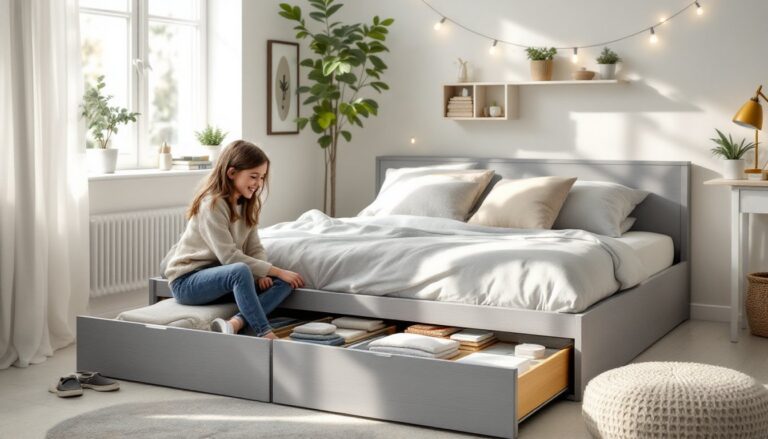
Storage cube bins serve a practical purpose beyond looks: they corral chaos into defined zones. A bedroom cube storage unit keeps seasonal clothes separate from everyday wear. Half cube storage bins slide under beds or fit awkward corners where standard shelving won’t go. In living rooms, they store blankets, books, and kids’ items without screaming “storage solution.” They also encourage accountability, once items have a designated spot, family members are more likely to use the system.
Cost matters too. Quality cube bins run $15–$50 per unit, making them accessible for renters and budget-conscious homeowners. You’re not locked into expensive built-ins or renovations. If your needs change, you reconfigure, sell, or repurpose the units elsewhere.
Choosing the Right Cube Storage Bins for Your Space
Picking cube storage bins requires thinking about three things: how much you’re storing, where it’s going, and how long you plan to keep it.
Start by measuring your space carefully. Measure the height to ceiling, width of the wall, and any obstructions (baseboards, outlets, trim). A standard cube shelf is 13 inches per cube, so a 4-cube unit runs roughly 26 inches wide. Write these down: don’t rely on memory when you’re in the store.
Next, assess weight and stability. Heavier items (books, tools, canned goods) need sturdier bins and sturdy shelving. Flimsy particle board cubes with lightweight plastic bins won’t hold up. Look for metal frames or solid plywood construction and test the wobble, a slight nudge shouldn’t cause movement. If stacking cubes, secure them to wall studs with a L-bracket kit (usually included or sold separately for $15–$20). This prevents tip-over, especially crucial if kids or pets are in the home.
Cubby storage bins, smaller, often fabric-lined cubes, work well for lightweight items: toys, blankets, office supplies. They’re lighter, prettier, and often cheaper. But don’t overload them: the fabric can tear or sag if pushed beyond capacity.
Material and Durability Considerations
Wood and plywood hold up longer than particle board and support heavier loads. They’re pricier ($40–$80 per cube unit) but worth it for items you’ll keep for years. Solid wood looks nicer but shows dust and requires occasional sanding and finishing.
Metal-frame systems (usually steel) offer strength without bulk and resist moisture better in garages or damp basements. Pair them with quality bins, plastic works fine for lightweight items, but canvas or felt-lined bins last longer and look more intentional.
Particle board and laminate are budget options. They work for light loads and temporary setups but can sag under weight or break if assembled incorrectly. Avoid them if you’re storing anything over 20 pounds per cube.
Bins themselves vary. Plastic is washable and waterproof, ideal for garages and kids’ rooms. Fabric bins (canvas, felt, polyester) are gentler on items and look cleaner in visible spaces like living rooms. Real Simple’s organization guides offer insights on bin selection for different room types and storage needs.
Moisture matters. In basements or humid climates, wooden cubes can warp. Metal frames with plastic bins resist moisture better. Add silica gel packets inside bins if humidity is an issue.
Creative Ways to Use Cube Storage Bins Throughout Your Home
Cube storage works everywhere once you stop thinking of it as “just storage” and start seeing it as flexible furniture.
Living Room and Bedroom Organization Ideas
In living rooms, cube units become entertainment centers, blanket storage, or toy corrals. A 4-cube unit against a wall holds throw pillows in bins, stacks magazines, and creates a visual break from plain drywall. Cubby storage bins with labels (printed and adhered to the front) help guests understand the system and encourage everyone to return items to their spot.
Bedroom cube storage is underrated. A half cube storage unit under a window seat holds seasonal clothes, extra bedding, or out-of-season shoes. Stack two units vertically for a small closet’s extra storage, or place one across from the bed as a low nightstand-plus-storage combo. Drawer-style bins slide in and out smoothly: wire baskets allow visibility without opening them.
Martha Stewart’s home organization resources demonstrate how cubes adapt to bedroom layouts, from compact dorm rooms to sprawling master bedrooms. The key is committing to a labeling system, handwritten or printed labels prevent that chaotic “where does this even go?” scramble.
Garage and Utility Space Solutions
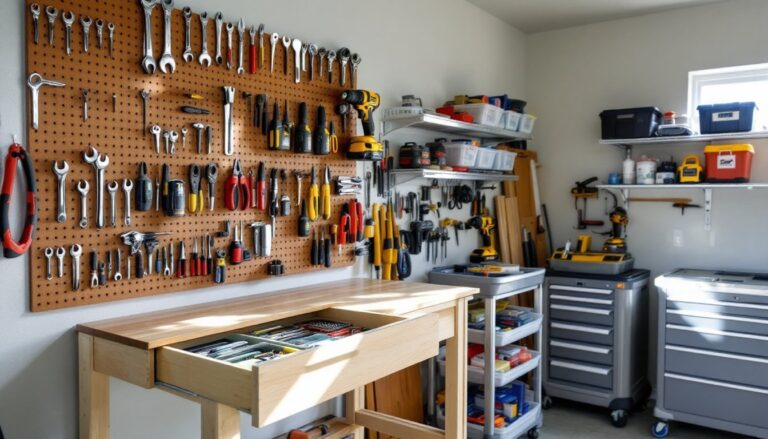
Garages are cube heaven. They’re warm, dry, and no one worries if a storage cube unit isn’t Instagram-worthy. Stack cubes vertically to maximize wall space and keep frequently used items at eye level. Tools in open cubes, seasonal decorations in closed bins, paint and hardware in drawer-style organizers, each zone has a purpose.
Use plastic bins for moisture-prone items (holiday lights, pool gear). Canvas or felt works for dry goods (wrapping supplies, fabric scraps). Label everything: a garage without labels turns into a labyrinth within months.
For mudrooms and entryways, smaller cubby storage bins near doors keep shoes, backpacks, and outerwear corralled. One bin per family member prevents the scramble before school or work. Apartment Therapy’s small-space solutions show how compact cubes work in tight entryways without blocking flow.
Critically, secure tall units to the wall in garages and high-traffic areas. Vibration from tools or kids bumping into things can destabilize unsecured stacks.
Styling and Decorating Your Cube Storage Setup
The finish separates polished storage from chaotic-looking clutter. A few simple moves elevate the look without adding cost or effort.
Consistency is your friend. Use matching bins or baskets across the entire unit. Mismatched bins feel scattered: uniform ones look intentional. Neutral colors (cream, gray, navy) work in any room and won’t clash with décor changes.
Color and texture matter more than you’d think. Add richness with woven seagrass baskets (natural, warm), felt bins (soft, modern), or canvas with leather handles (clean, organized). Mix two complementary textures, say, woven and fabric, across the unit for visual interest without chaos.
Label your bins clearly. A simple label maker creates a polished look: printed labels adhered to bin fronts signal that this system has purpose. For open cubes, align spines of books or stack items front-to-back so they’re visible but neat.
Styling open cubes: Alternate between baskets and displayed items. A basket in one cube, a plant or decorative object in another, then another basket. This rhythm feels intentional and breaks up the monotony.
Lighting helps. If cubes are in a dark corner, a small puck light under the top shelf or inside a bin adds warmth and makes the space feel less cave-like.
Keep heavy items low, light items high. This is practical (easier to grab, safer if something falls) and visually pleasing, it doesn’t look top-heavy. Store books, tools, and heavier décor in the bottom cubes: lighter bins and pretty baskets on top.
Final thought: step back and look at the whole unit from across the room. If it looks cluttered, you’ve overstuffed it. The goal is organized breathing room, not a packed shelf.