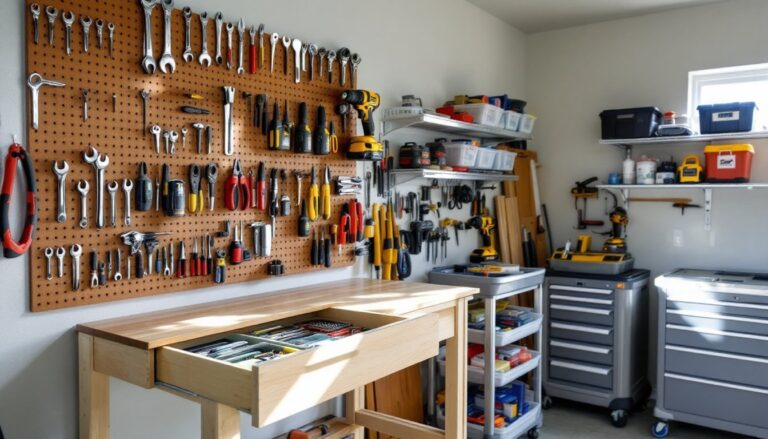
Clutter has a way of taking over. A bedroom without under-bed space feels cramped, a kitchen with no pantry seems impossible, and an entryway that can’t hide coats becomes a visual mess. Hidden storage solutions solve this problem elegantly. Rather than letting items pile up on shelves or take over closets, smart hidden storage keeps everyday essentials out of sight while remaining accessible. Whether you’re working with a small apartment or a larger home, hidden storage ideas help maximize square footage and maintain clean sightlines. The good news? Most of these solutions don’t require a full renovation, many are DIY-friendly and surprisingly affordable to carry out.
Table of Contents
ToggleKey Takeaways
- Hidden storage solutions maximize square footage and maintain clean sightlines without requiring full renovations, as most DIY-friendly options are surprisingly affordable to implement.
- Under-bed storage can utilize 40+ cubic feet of wasted space using low-profile rolling bins or built-in drawer bed frames, though moisture-resistant containers are essential in humid climates.
- Wall-mounted solutions like floating shelves and concealed cabinets free up floor space and create visual receding effects when anchored to wall studs with heavy-duty brackets.
- Kitchen hidden storage hacks—including pull-out shelves, spice racks on cabinet doors, and under-appliance organizers—can nearly double cabinet capacity for under $80 per cabinet.
- Living room and entryway hidden storage through console tables, storage ottomans, and wall-mounted cubbies provides functional furniture that hides clutter while blending seamlessly with décor.
- DIY installation of hidden storage saves money and allows customization, but requires proper tool safety, accurate measurements, and professional consultation for structural or electrical modifications.
Why Hidden Storage Matters for Modern Homes
Modern homes are getting smaller while our stuff keeps growing. The average American home has 300,000 items, according to organizing experts, and most of us have nowhere to put them without creating visual chaos. Hidden storage doesn’t just solve clutter: it improves how a space feels and functions.
Open shelving and visible bins make rooms feel cramped and overwhelming, even when they’re genuinely organized. Concealed storage works differently. Cabinets, under-bed drawers, and built-in niches let you store what you need without sacrificing aesthetics. A well-designed hidden storage system also increases home resale value because buyers see potential and clean lines rather than a storage problem.
From a practical standpoint, hidden storage extends the usable life of your furniture and keeps high-traffic areas safer. Toys, tools, and seasonal items belong out of walkways, not stacked against walls where someone trips over them. Hidden storage also protects valuables and keeps moisture-sensitive items (like documents or electronics) away from humidity and dust.
Under-Bed Storage: Maximizing Your Bedroom’s Hidden Potential
The space beneath a bed is prime real estate that most people ignore. A queen-size bed sits 10 to 15 inches above the floor on most frames, that’s room for 40+ cubic feet of storage if you use it wisely.
The simplest approach: flat rolling bins made of plastic or fabric. Look for models designed for under-bed use with low profiles (4 to 6 inches tall) so they slide easily. Measure your bed’s height and floor clearance before buying: you don’t want bins so tall they scrape the box spring. Divide bins by category, seasonal clothes in one, extra bedding in another, shoes in a third, so you’re not hunting through everything to find what you need.
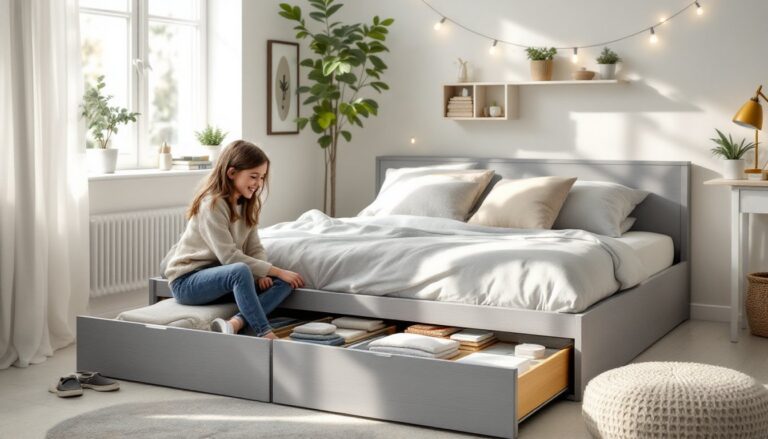
For a more polished solution, consider bed frames with built-in drawers on the underside. These cost more upfront but eliminate the need for separate bins and look intentional rather than makeshift. If your current bed doesn’t have drawers, platform beds or storage bed frames are available at most furniture retailers.
A note on moisture: bedrooms under-bed spaces can trap humidity, so avoid storing items that mold easily (like leather or untreated wood). Use breathable storage containers and consider a small desiccant packet in each bin if your climate is humid. Cedar blocks also help repel moisture and insects.
Wall-Mounted and Built-In Storage Solutions
Floating Shelves and Concealed Cabinets
Wall-mounted storage frees up floor space and can be surprisingly hidden if done thoughtfully. Floating shelves seem open, but when styled with matching paint or wallpaper behind them, they visually recede into the wall rather than jumping out.
Floating shelves require solid anchoring, this isn’t cosmetic work. You’ll need to locate the wall studs (vertical framing members, typically 16 inches on center) and use heavy-duty brackets rated for the load you plan to carry. A standard 24-inch floating shelf holding books or decorative items typically needs three brackets spaced evenly: shelves over 36 inches need four. Drywall anchors alone won’t work for anything heavier than a few pounds.
Conceal shelves completely with face-frame cabinet doors in matching wood or painted finish. These are more work but create the illusion of a solid wall. Recessed shelving, built directly into the wall cavity between studs, also works, though this requires cutting into existing drywall and relocating electrical outlets if necessary. Recessed shelves are shallow (around 9 inches deep) but blend seamlessly.
For renters, wall-mounted baskets and crates offer hidden storage without permanent installation. Mounted fabric bins look intentional and can hold seasonal items, craft supplies, or linens out of sight. Adhesive strips rated for 10+ pounds hold them securely without requiring studs, though they won’t support heavy loads.
Kitchen Storage Hacks Behind Cabinet Doors and Appliances
Kitchens are ground zero for clutter because everything we cook with needs to be accessible. Hidden storage in the kitchen means using every inch efficiently so the room doesn’t feel overstuffed.
Start with cabinet interiors. Pull-out shelves, lazy Susans, and tiered risers transform dead space into organized zones. A standard 36-inch base cabinet can hold nearly twice as much when you add vertical dividers for baking sheets and a pull-out trash drawer. These additions are affordable (most cost $30–$80 per cabinet) and can be retrofitted into existing cabinetry.
The space behind cabinet doors is prime territory for hidden storage. Adhesive-backed hooks, spice racks, and magnetic strips mount directly inside doors, perfect for measuring spoons, cleaning cloths, and spice jars. This keeps items hidden while remaining reachable.
Under-appliance storage often goes unused. A gap between your refrigerator and cabinet usually measures 3 to 4 inches, just wide enough for a thin sliding organizer to hold cutting boards or aluminum foil. Similarly, the space above wall cabinets can store rarely used items (with careful dust management). Underneath the sink benefits from risers and stackable bins: use shelf liner to maximize grip so bins don’t slide when you open and close the cabinet.
Recent trends show that under-cabinet storage hacks can be implemented affordably using modular organizers, making kitchens feel less cramped without a full remodel.
Living Room and Entryway Storage Ideas
Living rooms and entryways see the most foot traffic and accumulate the most visual clutter, coats, shoes, remotes, magazines, and miscellaneous items pile up fast.
Console tables with built-in drawers disguise storage as functional furniture. A 48-inch console can hold shoes, scarves, and mail in drawers that stay hidden from view. Benches with lift-top storage work similarly in entryways, they provide seating and hidden storage for boots, gloves, and seasonal items all in one piece.
Wall-mounted cubbies and shelving units look decorative but function as hidden storage when styled thoughtfully. Install them near the entryway at eye level and above, then place closed baskets on lower shelves and decorative objects on upper shelves. Your guests see an organized, intentional display: you’ve hidden half your household items.
Ottomans with storage interiors are versatile: they serve as footrests, extra seating, side tables, and hidden storage simultaneously. Upholstered varieties hide their function entirely, looking like regular furniture while holding blankets, throw pillows, or games inside. Storage ottomans typically cost $100–$400 depending on material and quality.
Sources like Real Simple offer extensive organization strategies for living spaces, including hidden storage solutions that blend seamlessly with existing décor. Small-space dwellers often benefit from modular storage systems that adapt as needs change.
DIY Tips for Installing Your Own Hidden Storage
Installing hidden storage yourself saves money and lets you customize dimensions to fit your exact needs. Start with prep work, measure twice, cut once, and account for material thickness when calculating final dimensions.
For floating shelves: Locate studs using a stud finder (battery-powered models cost $15–$40 and save mistakes). Mark bracket locations with a pencil, then use a level to ensure horizontal alignment. Pre-drill holes slightly smaller than your fasteners to prevent splitting. For ¾-inch solid wood shelves, use lag bolts or heavy-duty cabinet screws rated for your shelf’s weight plus 50% safety margin.
For hidden storage boxes: Cut plywood to size using a circular saw or table saw, a miter saw works for crosscuts but struggles with sheet materials. Sand all edges smooth with 120-grit sandpaper to prevent splinters. Secure joints with wood glue and pocket holes (a pocket hole jig costs $30–$60) rather than visible nails, which weaken joints and look amateur.
For cabinet modifications: Most standard base and wall cabinets use ½-inch adjustable shelving, so new organizers fit existing hardware. Measure the cabinet interior width, height, and depth before ordering inserts, one inch makes a difference. If installing pull-out drawers, ensure adequate clearance on both sides so they open fully without hitting adjacent cabinets.
Safety notes: Wear safety glasses when drilling or cutting, dust masks when sanding (sawdust contains fine particles that damage lungs), and work gloves to prevent splinters. Secure all fasteners properly, a falling shelf creates injury and property damage. If you’re uncertain about load capacity or wall construction, consult a contractor or building professional.
Projects requiring electrical rewiring, gas line relocation, or structural changes should involve licensed professionals. Check local building codes before adding storage to rental properties, some modifications require landlord approval or professional installation.